




A child's room is more than just a place to sleep. It is a space where children learn, create, play, and develop. A well-organized room can help children focus better, be more creative, and maintain a healthy routine. Proper room organization is not just about order and aesthetics, but also about functionality and comfort.
1. Functional Furniture for a Child's Room
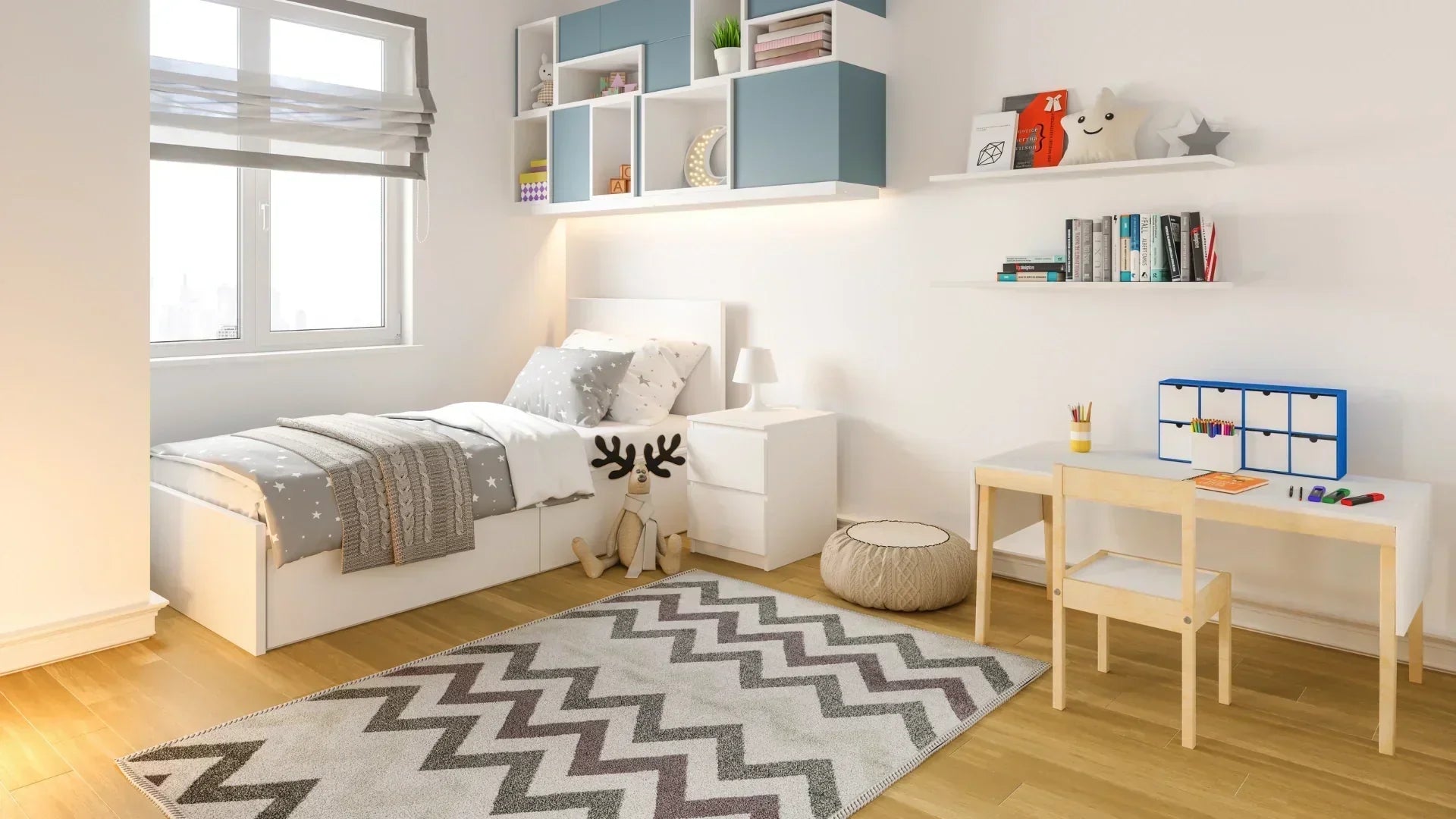
Furniture is the foundation of any organized room. A well-furnished room facilitates learning and helps children take responsibility for their space. The bed is the main element for a comfortable sleep, which helps refresh energy for the next day. If the room is small, choosing a bed with storage space underneath can help organize toys or clothes.
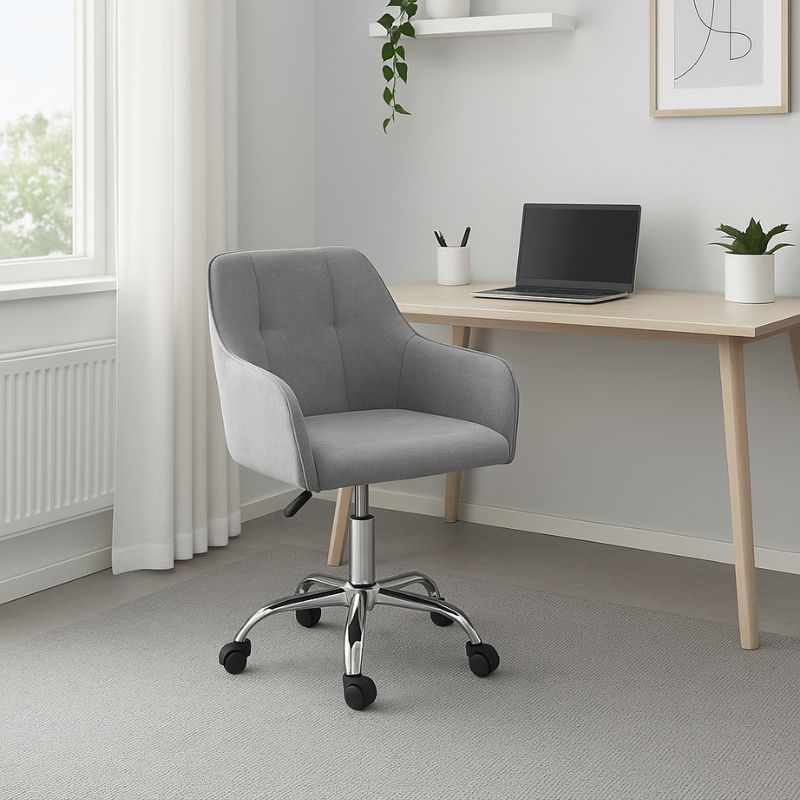
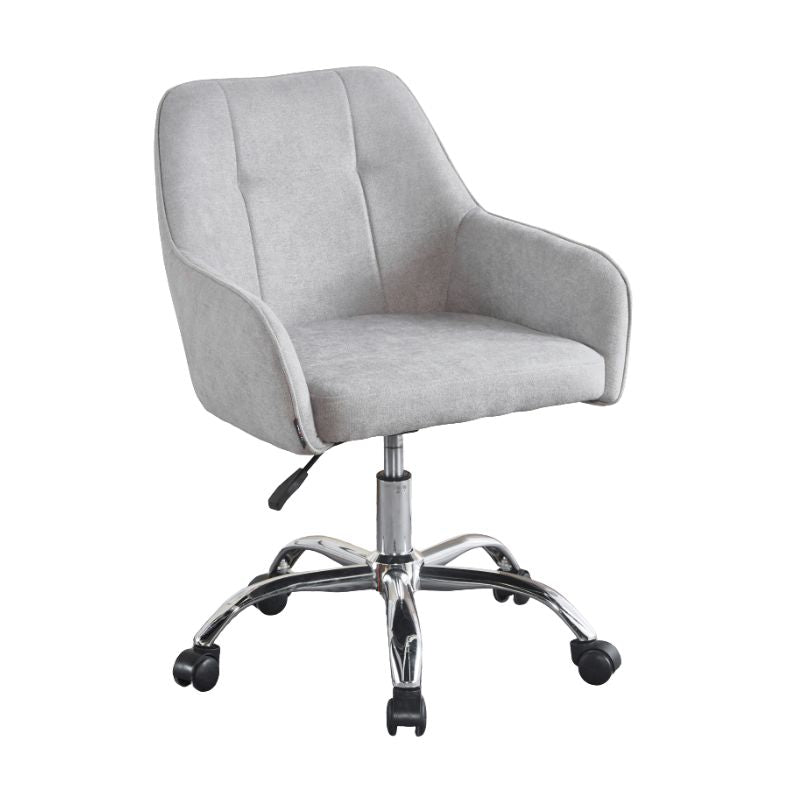
Shelves and organizers are essential for keeping books, school supplies, and accessories in the right place. A suitable study desk with an ergonomic chair can make a difference in how a child focuses during homework and exercises. Furthermore, the comfort of the room can be increased with a dresser and wardrobe for clothes and accessories, creating free space for play and physical activity.
2. Textiles and Comfort
A comfortable room helps children feel calm and focused. Suitable curtains can control natural light and create a warm atmosphere for learning or play. Soft blankets, duvets, and sheets are essential for comfortable sleep and relaxing breaks.
Rugs create safe spaces for play and physical activity, especially for young children. For extra safety, using mattress protectors helps avoid minor accidents during daily activities. Textiles not only offer comfort but also add color and style to the room, making it more attractive to children.
3. Decor and Creativity
A room that inspires creativity is a room where children love to spend time. Simple decorations, decorative pillows, and wall paintings can give personality to the room and motivate children for creative activities.
Different lighting fixtures or lamps with soft lights create a warm and calm atmosphere for reading or studying. To enhance creativity and motivation, you can create a creative "corner" where children can read, draw, or create DIY projects. This space should be clear and organized, with all the materials the child needs close at hand.
4. Play and Development
Games are an essential part of children's development. A well-organized room allows children to combine learning and play in a balanced way. Toys, puzzles, and creative activities help develop imagination and problem-solving skills.
Spaces for physical play, such as roundabouts or play areas, help in motor development and burning energy during the day. Even after studying, children can have an area for relaxation and tranquility, where they can look at books, listen to music, or rest for a few minutes before other activities.
5. Organization and Routine
Organization is not just about order and decor – it helps children learn to be responsible. Use shelves, organizing boxes, and toy spaces to keep everything in its place. This teaches children the importance of discipline and caring for their belongings.
A good room routine includes time for learning, play, meals, and rest. It helps children know what to expect during the day and gives them a sense of security and stability.
Conclusion
Organizing a child's room is more than an aesthetic matter – it's about creating an environment where children can learn, be creative, and have space for play and relaxation. With a combination of functional furniture, comfortable textiles, creative decorations, and play areas, any room can be transformed into a place where children feel motivated and happy.
A well-organized room not only helps children focus on learning but also develops responsibility, creativity, and enjoyment of their personal space. An investment in organizing a child's room is an investment in their success and well-being.


